
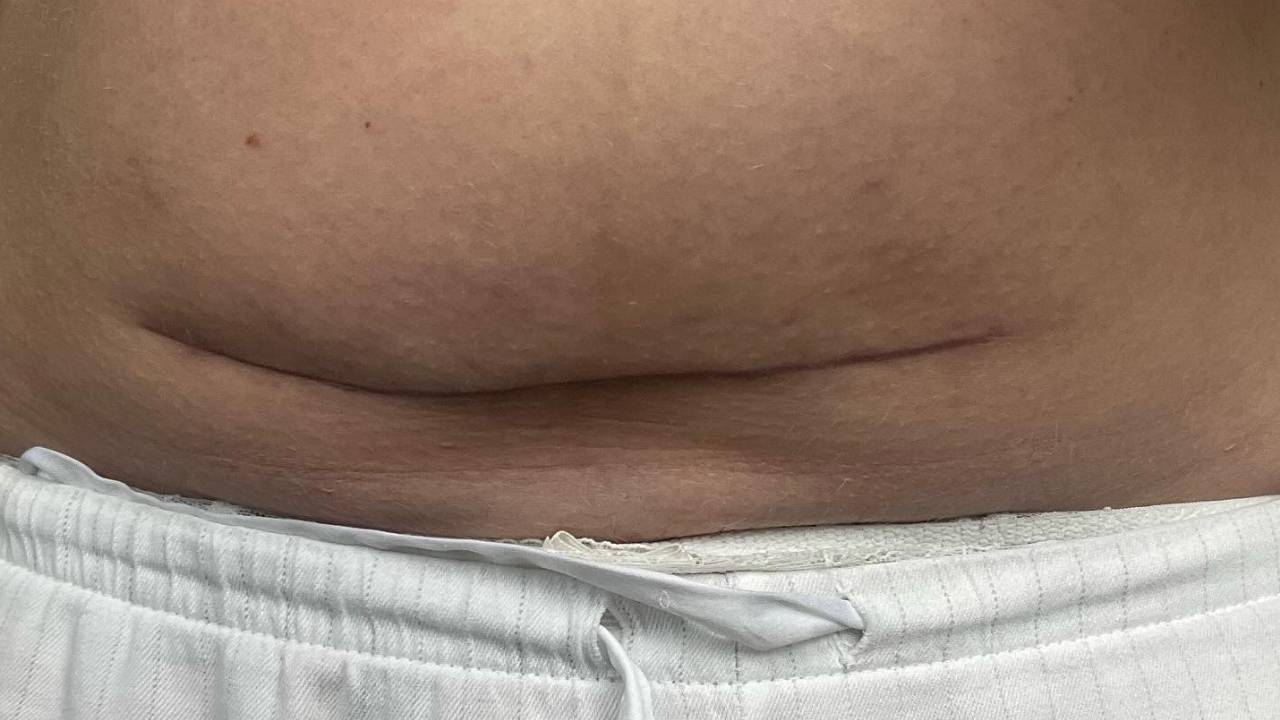
Let’s talk honestly about the changes to your belly after a Cesarean birth.
That overhang.
The indentation.
The looseness.
The “shelf.”
Many moms feel surprised, frustrated, or confused when they notice these changes after surgery — especially when recovery doesn’t automatically make it disappear.
If you’ve been wondering:
- what causes a C-section shelf
- why it still hasn’t improved
- or whether anything can actually help…
you are far from alone. ❤️🩹
Nearly every cesarean mom experiences some degree of shelfing during postpartum recovery.
But here’s what most people AREN’T told:
The causes — and the solutions — change dramatically depending on where you are in your healing journey.
Understanding what causes a C-section shelf is the first step toward supporting your recovery more effectively and compassionately.
So let’s break it down:
- and how recovery changes month by month
- what contributes to a C-section shelf
- what actually helps
- what often doesn’t
What Is a C-Section Shelf?
A C-section shelf refers to the area of tissue, skin, or abdominal fullness that may protrude or fold over the cesarean scar after birth.
Some moms describe it as:
- an overhang
- lower belly pouch
- scar bulge
- abdominal shelf
- hanging tissue above the incision
And while it’s extremely common, many women are caught off guard by how different their abdomen can feel and look postpartum.
A C-section shelf is often NOT simply about:
- fat
- weight gain
- lack of exercise
Instead, it usually involves a combination of:
- muscle coordination changes
- swelling
- scar tissue
- core weakness
- pressure changes
- connective tissue healing
- posture adaptations
Pregnant & Planning for a Cesarean
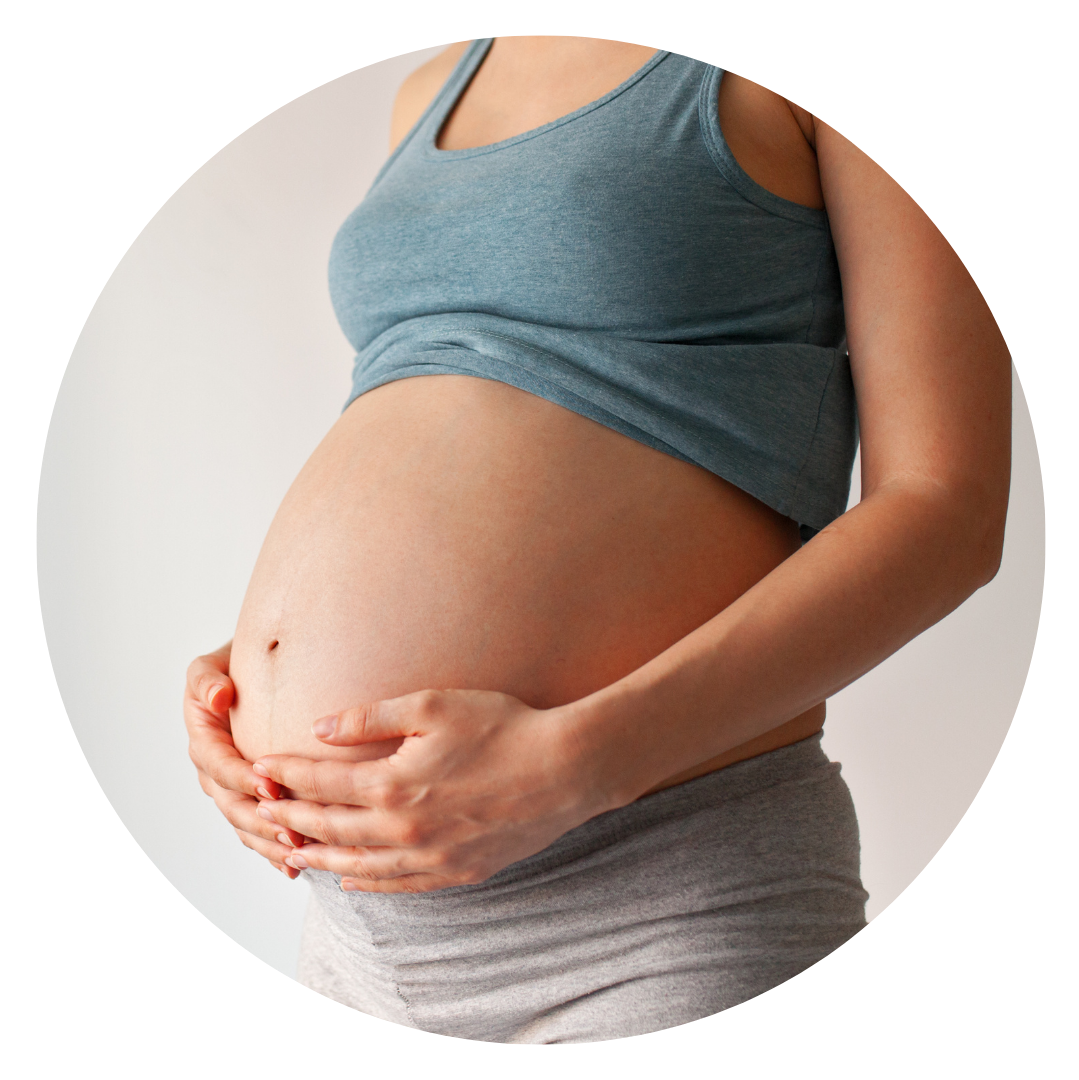
What Causes the Shelf Before It Even Forms
Even before surgery happens, some factors may influence C-section Shelf formation later on.
These include:
- surgical swelling
- lack of compression planning
- poor pressure management
- untrained deep core muscles that struggle to “wake up” after surgery
Many moms are never taught how important preparation can be for postpartum healing.
What Actually Works ✅
Prepare compression garments ahead of time
Having proper compression ready can help support swelling management early postpartum.
Learn gentle core activation before surgery
Understanding how to reconnect with your deep core muscles BEFORE birth often helps recovery feel less overwhelming afterward.
Prepare your support system
The first days postpartum matter tremendously. Protecting your body from unnecessary strain early on can make a significant difference.covery.
What Usually Doesn’t Work ❌
- Waiting until 6 weeks postpartum to think about recovery
- Relying on quick-fix products alone
- Assuming the hospital will guide complete recovery care
0–6 Weeks Postpartum
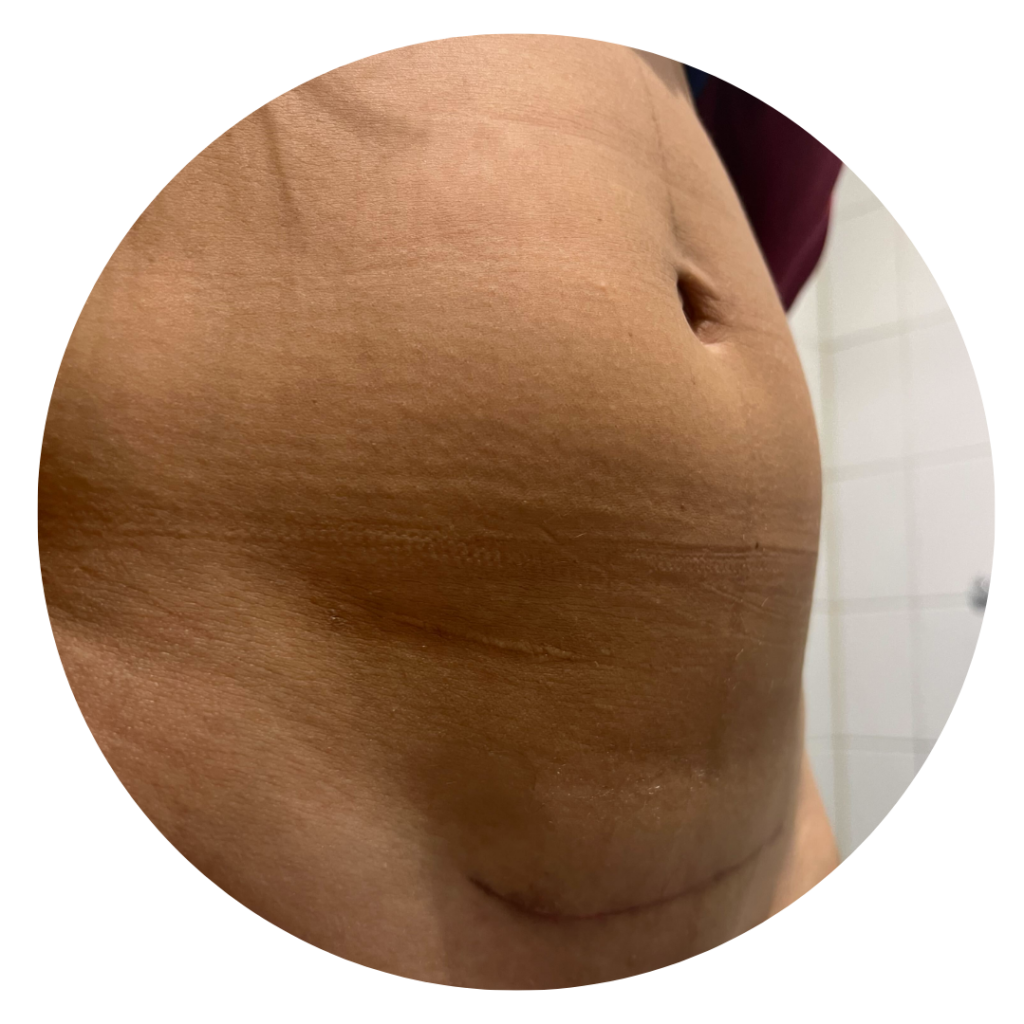
What Causes a C-Section Shelf During Early Recovery
In the first weeks postpartum, the biggest contributors are often:
- unmanaged swelling
- restricted movement
- poor pressure management
- disconnected core muscles
This stage is heavily influenced by inflammation and healing.
What Actually Works ✅
Proper compression from the beginning
Appropriate compression may help support swelling management and tissue healing.
Gentle movement and circulation
Complete immobility can contribute to stiffness and scar restriction.
Early scar mobility at the RIGHT time
Gentle scar work — when appropriate — may help reduce tissue restriction as healing progresses.
Gentle core reconnection
This stage is not about intense workouts. It’s about helping the nervous system reconnect with the deep abdominal muscles safely.
What Usually Doesn’t Work ❌
- Thinking recovery is “done” at the 6-week checkup
- Strict bed rest without movement
- Aggressive abdominal exercises
- Using generic binders incorrectly
6 Weeks to 6 Months Postpartum
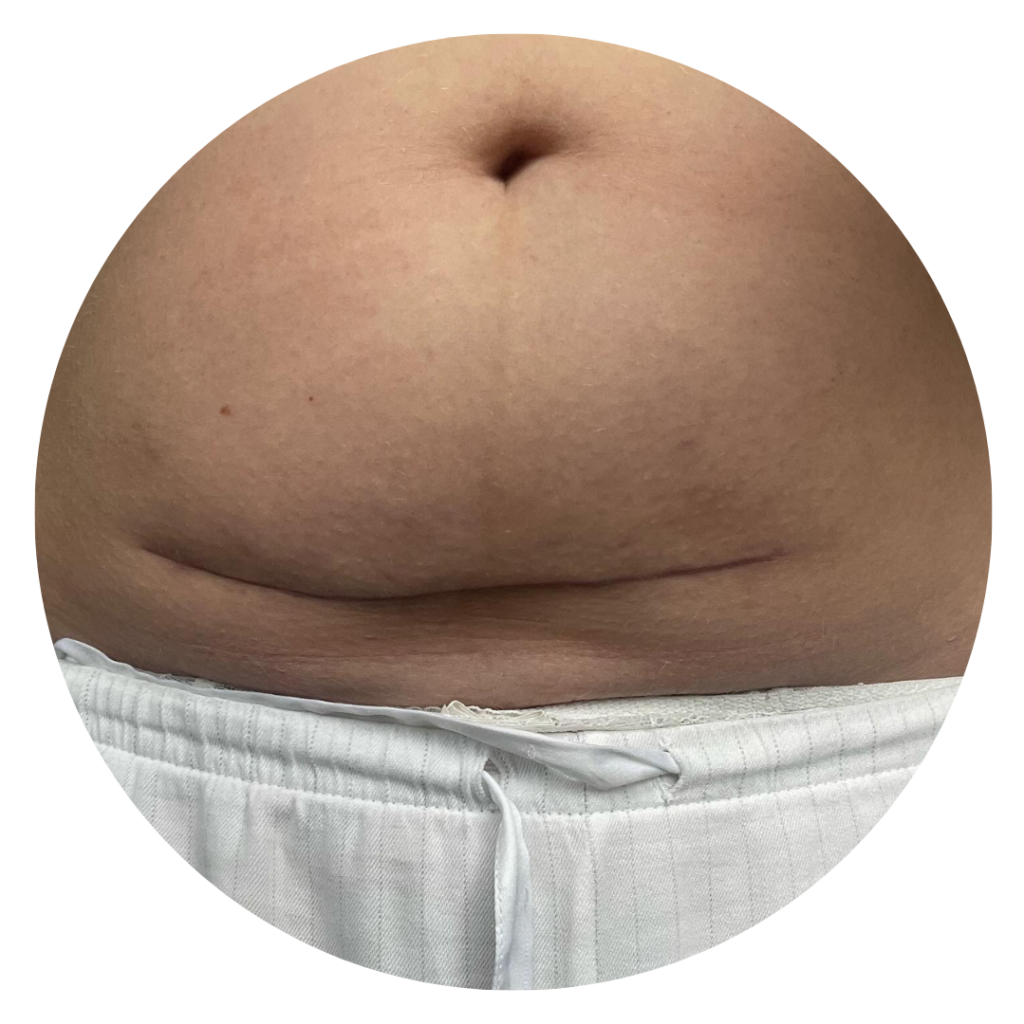
What Causes a Persistent C-Section Shelf During This Stage
This is often when moms become more frustrated because the shelf still hasn’t improved as expected.
Common contributors include:
- scar tissue restrictions
- diastasis recti
- weak core coordination
- sleep deprivation
- pressure management issues
Scar tissue may begin adhering to deeper layers if mobility is not addressed.
What Actually Works ✅
Scar massage and scar mobility work
This is often one of the MOST important healing windows for tissue mobility.
Core reconnection exercises
Focusing on coordination and function is usually far more beneficial than high-intensity workouts.
Rest and nervous system support
Recovery is heavily affected by stress, exhaustion, and sleep deprivation.
What Usually Doesn’t Work ❌
- Generic “bounce back” fitness programs
- Crash dieting
- Overly tight binders
- High-pressure core exercises too soon
6–18 Months Postpartum
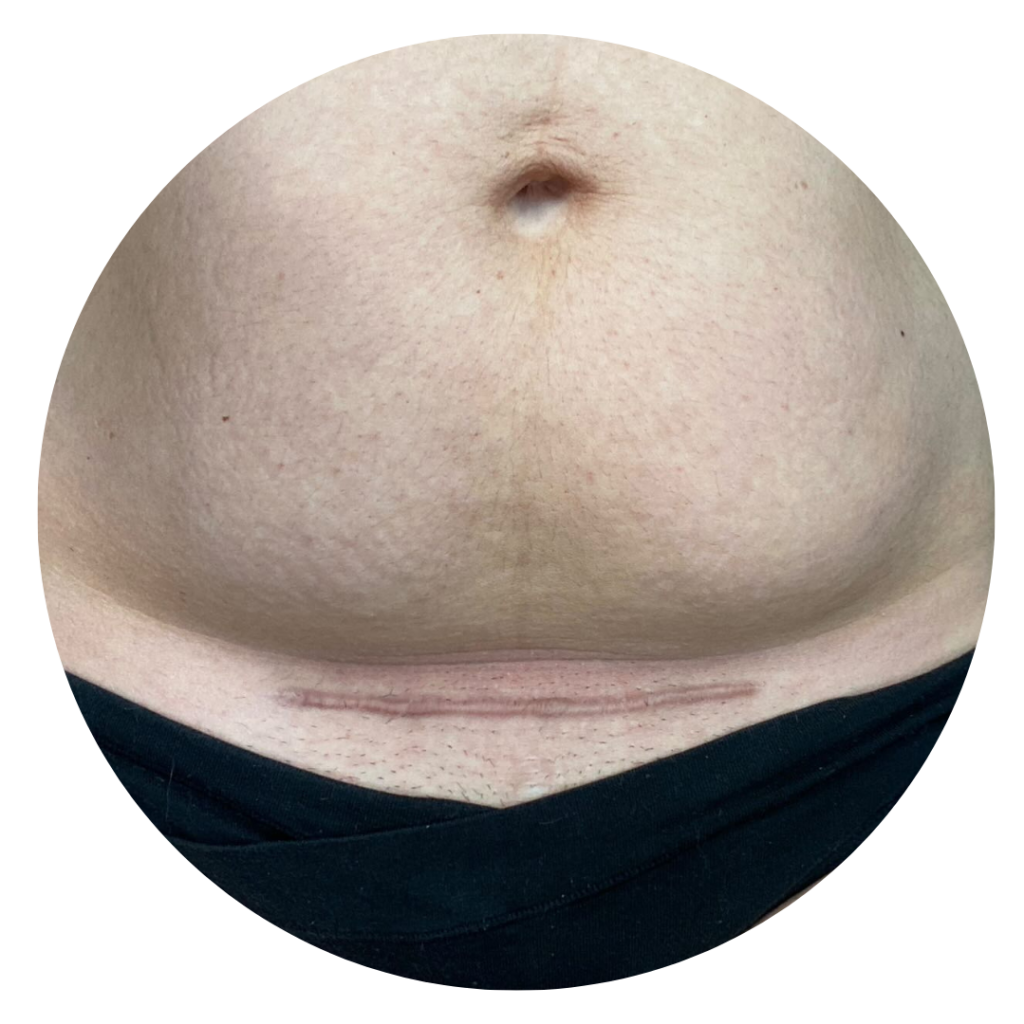
What Causes a Shelf to Persist Longer-Term
At this stage, the shelf may become more connected to:
- long-standing movement patterns
- persistent scar restrictions
- ongoing core weakness
- compensation strategies throughout the body
Many moms assume healing opportunities are gone by this point — but recovery is still possible.
What Actually Works ✅
Fascial mobilization and advanced scar work
Changes may take more consistency now, but improvement can still happen.
Progressive core strengthening
Building from foundational coordination into full-body strength becomes important here.
Functional movement retraining
Daily posture and movement patterns influence abdominal pressure more than many people realize.
What Usually Doesn’t Work ❌
- Only focusing on weight loss
- Endless crunches or isolated ab exercises
- Ignoring stress and nervous system load
18+ Months Postpartum
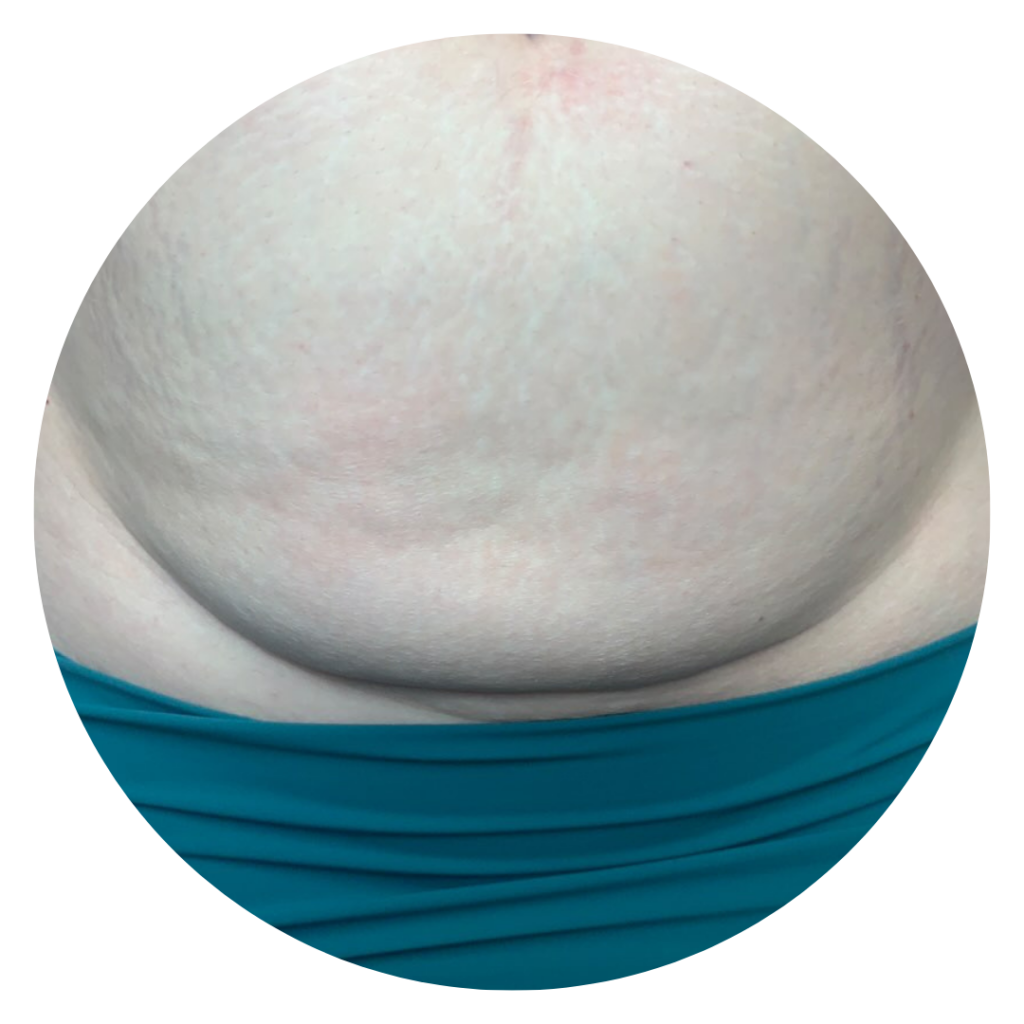
What Contributes to a Long-Term C-Section Shelf
By this stage:
- scar tissue is more mature
- compensation patterns are deeply ingrained
- hormonal changes may still affect tissue healing and inflammation
This does NOT mean improvement is impossible.
It simply means recovery often requires more patience and consistency.
What Actually Works ✅
Professional scar and fascial work
Manual therapy and guided recovery support may still create meaningful changes years later.
Rebuilding full-body core connection
Healing often involves retraining pressure, posture, movement, and muscle coordination together.
Consistency and realistic expectations
Long-term recovery is usually gradual rather than dramatic overnight change.
What Usually Doesn’t Work ❌
- Giving up because “it’s been too long”
- Believing surgery is the only option
- Falling for social media quick fixes
Why Recovery Looks Different for Every Mom
Every postpartum body heals differently.
Factors like:
- genetics
- connective tissue health
- stress
- sleep
- hormones
- movement habits
- support systems
all influence recovery.
Comparing yourself to another mom’s timeline is rarely helpful.
Think of Scar Tissue Like Play-Doh
When scar tissue is fresh, it’s softer and more moldable.
As time passes, it becomes denser and more established — like Play-Doh drying out over time.
That doesn’t mean change becomes impossible.
It simply means:
earlier intervention is usually easier than later intervention.
And importantly:
recovery is still possible years postpartum.
Before & After Recovery Is About More Than Appearance
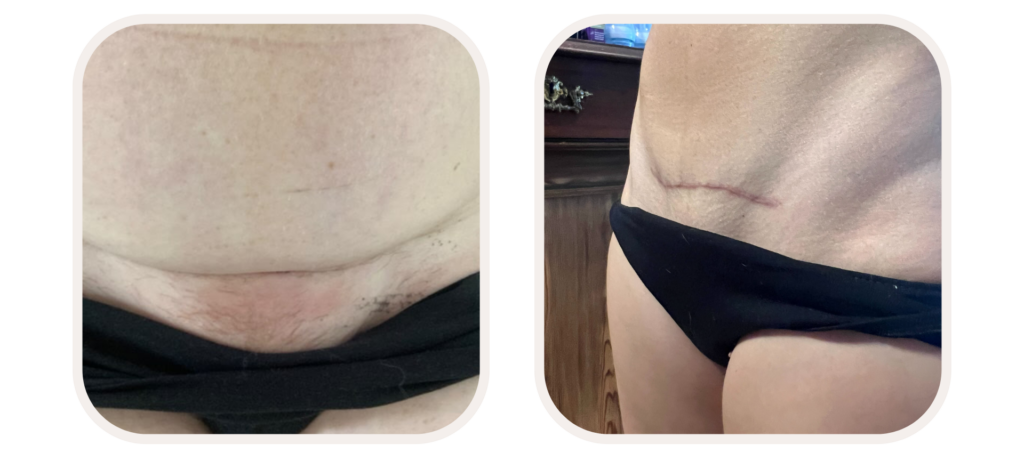
Many moms notice improvement not just in:
- appearance
but also:
- comfort
- strength
- movement
- confidence
- body connection
- pressure management
Recovery is not about forcing your body to “bounce back.”
It’s about rebuilding support and function in a sustainable way.
When to Seek Additional Recovery Support
You may benefit from additional postpartum recovery support if you are experiencing:
- persistent abdominal overhang
- scar discomfort or pulling
- pelvic floor symptoms
- core weakness
- pressure or heaviness
- frustration with recovery progress
- feeling disconnected from your body after birth
A personalized recovery approach may help address the underlying contributors affecting healing.
Final Thoughts
A C-section shelf is often the result of multiple healing factors — not simply weight gain or lack of effort.
Your body has gone through:
- pregnancy
- major abdominal surgery
- hormonal changes
- tissue healing
- emotional adaptation
- nervous system recovery
You deserve support that understands the FULL picture of postpartum healing.
And no matter where you are in your timeline:
recovery is still possible. ❤️
🤰 Pregnant or newly postpartum? Early recovery support can make a significant difference in how your body heals after Cesarean birth.
👶 Further along in your postpartum journey? Recovery is still possible with the right support, scar work, and core rehabilitation approach.
You deserve to feel comfortable, supported, and confident in your body again.